







Sign up now and unlock exclusive privileges with Marival Access. You will be rewarded from the very first day! Join us today!

I WANT TO MAKE A RESERVATION
+1 833 531 3376 WhatsApp 52 800 323 1640
I ALREADY HAVE A RESERVATION
USA +1 510 398 1551Resort Phone
329 291 7000Vacation Club
Members
855 619 2582Agencies
888 270 4984
 Category: Culture
Fall celebrations in Mexico begin with an unmistakable display of national pride. Every September, Mexican Independence Day brings streets, plazas, homes, and public buildings to life in green, white, and red. Music, traditional dishes, fireworks, and gatherings create a festive atmosphere as communities across the country commemorate one of the defining moments in Mexican history.
Although Independence Day officially falls on September 16, celebrations reach their peak the night before. On September 15, crowds gather for El Grito, a ceremonial reenactment inspired by the call to arms associated with Miguel Hidalgo y Costilla and the beginning of Mexico's struggle for independence in 1810.
Known as El Grito de Dolores, the historic event took place in the town of Dolores—today Dolores Hidalgo, Guanajuato—in the early hours of September 16, 1810. Hidalgo's call helped ignite the movement that would ultimately lead to Mexican independence.
Today, the tradition is commemorated throughout Mexico. On the evening of September 15, government officials lead public ceremonies that culminate with cries honoring Mexico and its independence, answered enthusiastically by crowds with ¡Viva México!
For travelers, attending a local Grito celebration can provide a memorable glimpse into Mexican history and contemporary national identity. The occasion is both commemorative and joyful, bringing generations together in public spaces throughout the country.
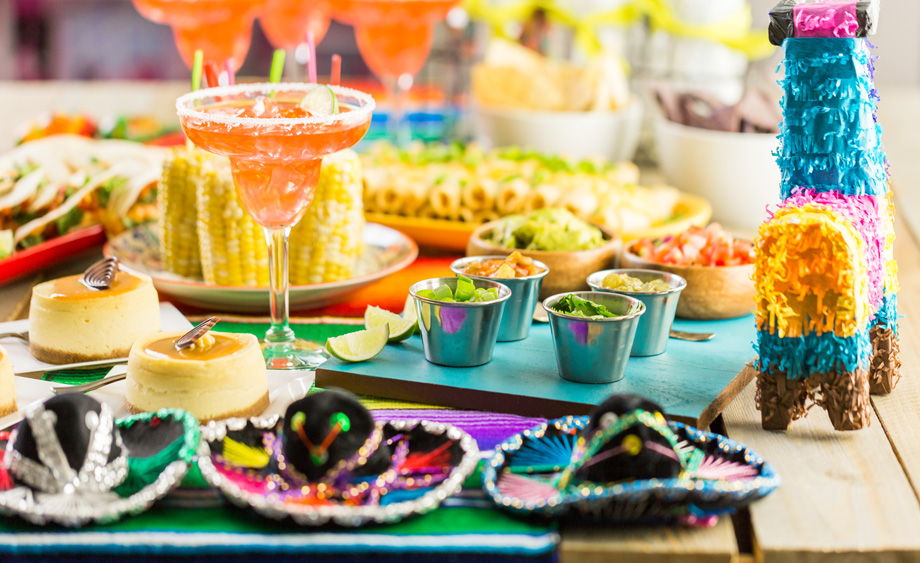
Food is an essential part of the festivities. Depending on the region and family tradition, celebrations may feature Mexican favorites such as pozole, tamales, tostadas, enchiladas, chiles en nogada, and other regional specialties. Mariachi and other forms of Mexican music add to the atmosphere, while flags, papel picado, and decorations in the national colors transform gathering places.
Visitors spending September in Riviera Nayarit or Punta de Mita can look for local Fiestas Patrias activities and community celebrations during their stay. Event programs vary from year to year, so checking current local schedules before attending is recommended.
Experiencing Mexican Independence Day offers more than a festive evening. It provides an opportunity to understand the pride, history, and sense of community behind one of Mexico's most important national celebrations—and an energetic introduction to the Mexican cultural festivals that define the fall season.
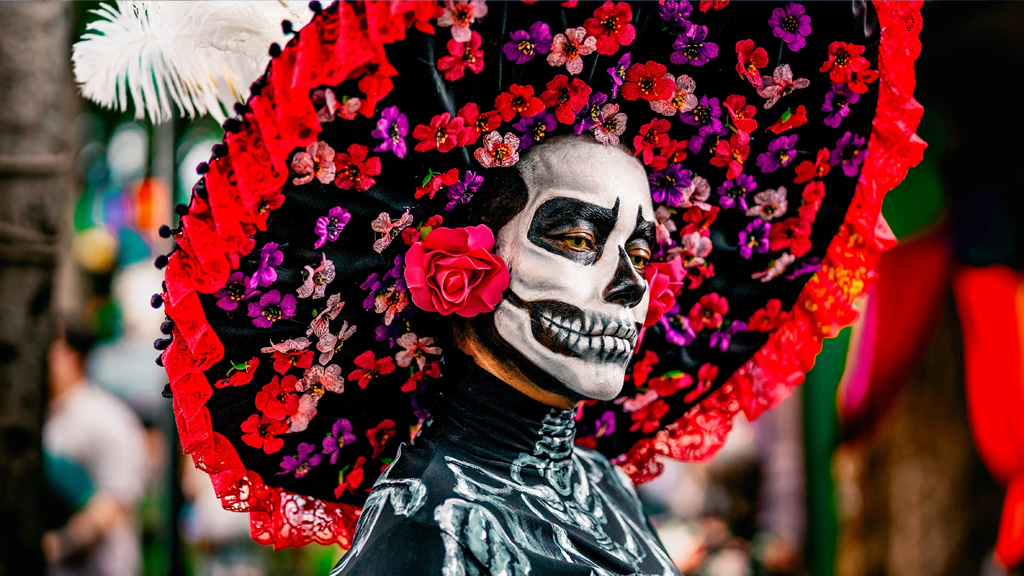
As October gives way to November, Mexico prepares for one of its most recognizable and deeply meaningful traditions: Día de los Muertos, or Day of the Dead. Observed primarily on November 1 and 2, this celebration honors loved ones who have died through remembrance, family gatherings, food, flowers, art, and symbolic offerings.
Despite its name and its imagery of skulls and skeletons, Día de los Muertos is not simply a somber occasion. At its heart is the idea of keeping memories alive. Families honor relatives and friends who have passed away, often remembering their personalities, favorite foods, stories, and the moments they shared together.
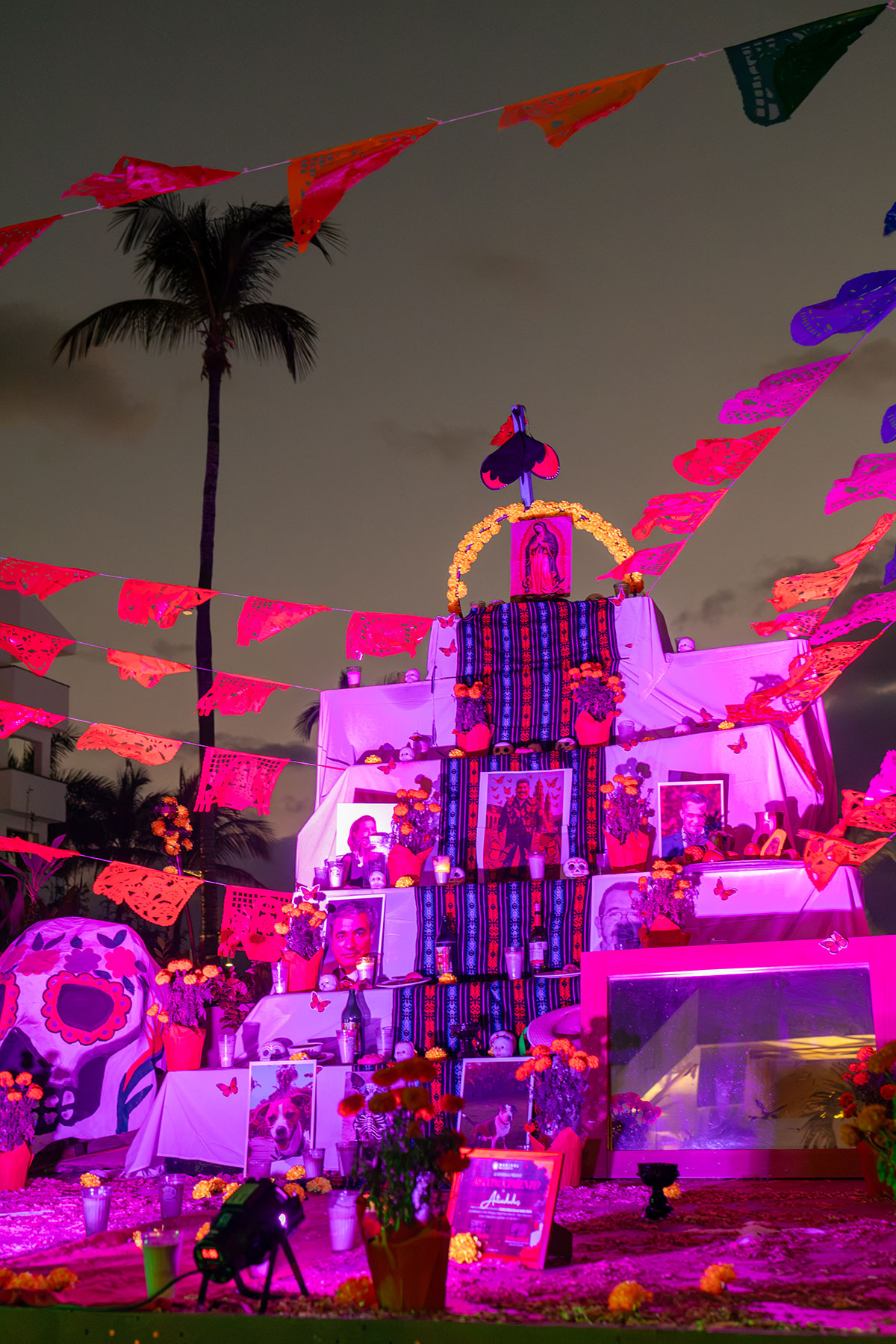
Among the most recognizable Día de los Muertos traditions are ofrendas, or altars created to honor the deceased. They can include photographs, candles, water, favorite foods, personal belongings, and other meaningful objects.
Brilliant orange cempasúchil, commonly known as Mexican marigold, is another emblem of the celebration. Its vivid color and distinctive fragrance are traditionally associated with guiding the departed. Visitors may also encounter papel picado, decorated sugar skulls, calaveras, candles, and pan de muerto, a sweet bread closely associated with the season.
These elements make Día de los Muertos visually striking, but their meaning extends far beyond decoration. Together, they reflect remembrance, affection, family bonds, and Mexico's distinctive relationship with life and death.
For travelers, experiencing Day of the Dead in Mexico can be an unforgettable cultural encounter. Public altars, artistic displays, performances, markets, and community events can provide accessible ways to learn about the tradition. Celebrations differ considerably by region, however, and some observances are deeply personal or family-centered.
Respect is therefore essential. Visitors should approach altars, cemeteries, ceremonies, and community gatherings as meaningful cultural spaces rather than simply as photo opportunities. Following local guidance, asking before photographing people or private altars, and taking time to understand the symbolism behind what you see can make the experience more thoughtful and rewarding.
Travelers staying in Punta de Mita or Riviera Nayarit during this period can look for seasonal cultural programming and public celebrations in surrounding communities, with specific activities varying each year.
Día de los Muertos offers a beautiful reminder of what makes Mexican cultural festivals so compelling: behind the colors and artistry are stories, relationships, and traditions connecting generations. And while it may be Mexico's most internationally recognized autumn observance, it is far from the only cultural experience the season has to offer.
Mexico's fall celebrations become even more memorable when they are part of a journey that connects you with the character of the destination. In Riviera Nayarit, days on the Pacific coast can be complemented by regional cuisine, local art, music, and traditions that offer travelers a closer look at the culture of Nayarit.
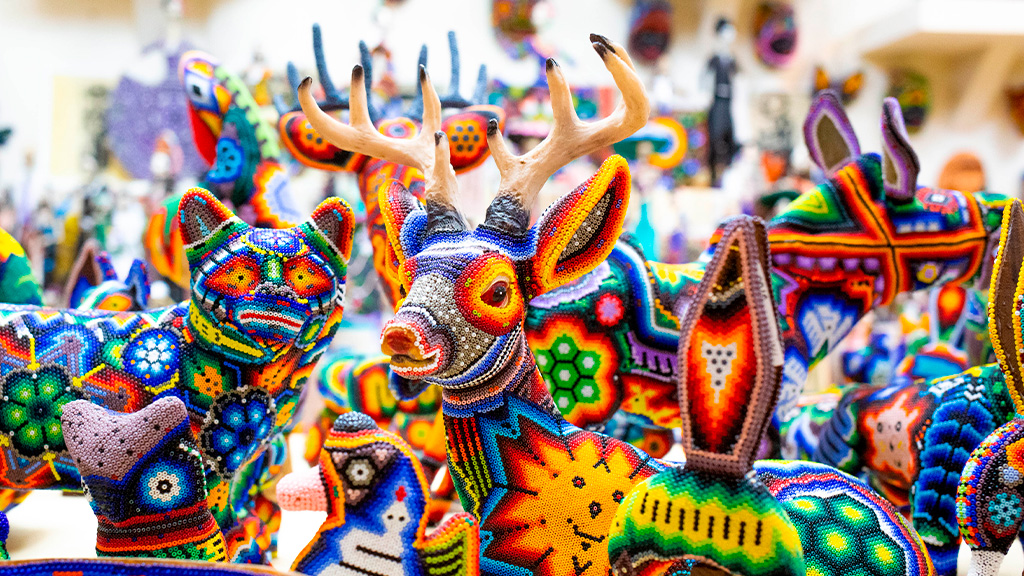
Punta de Mita makes an appealing base for this kind of cultural escape. Beyond its beaches and tropical landscapes, the surrounding region offers opportunities to discover local communities, taste Pacific Mexican cuisine, browse handcrafted art, and experience the traditions that give this corner of Mexico its distinctive identity.
At Armony Marival Resort & Spa Punta de Mita – MGallery Collection, the connection to the destination continues through experiences inspired by Mexican and regional culture. The resort's current programming includes Riviera Gallery, featuring exhibitions by local artists, as well as Salud + Mezcal, an evening centered on Mexican ambiance and live acoustic music. Activities and schedules may change, so guests should review the program available during their stay.
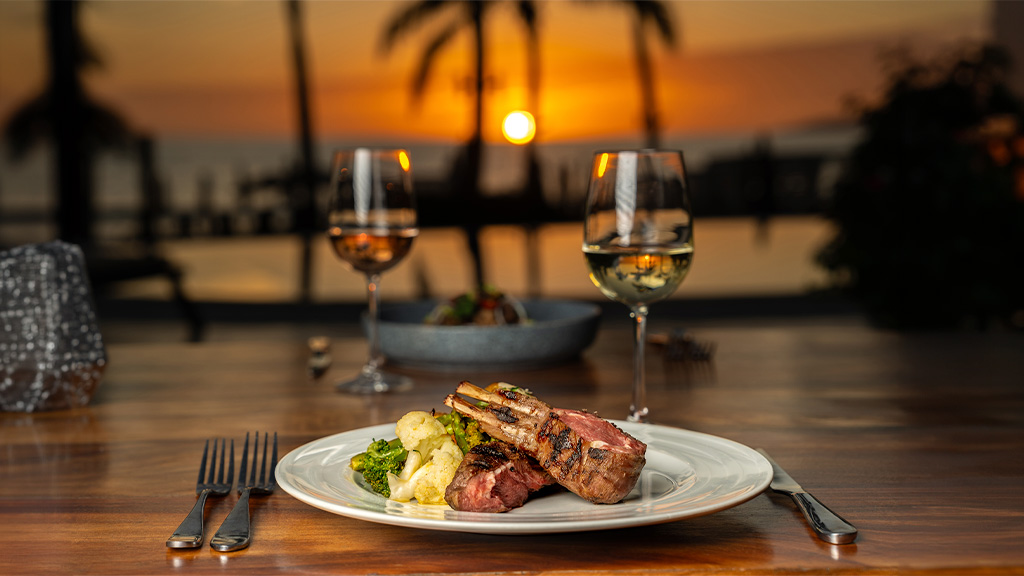
Food can also become a doorway into local heritage. Armony's M Moment, the Zarandeado Ceremony, draws inspiration from pescado zarandeado, a culinary tradition closely associated with the Pacific coast. The experience connects guests with the region through a visit to the fish market in La Cruz de Huanacaxtle followed by the preparation of the selected catch at the resort.
Experiencing Mexican cultural festivals is ultimately about more than witnessing a celebration. It is about understanding the history behind El Grito, appreciating the remembrance at the heart of Día de los Muertos, discovering regional expressions of art and cuisine, and recognizing how traditions continue to bring communities together.
A fall stay in Riviera Nayarit and Punta de Mita creates an opportunity to combine these discoveries with the beauty and relaxed rhythm of Mexico's Pacific coast. At Armony Marival Resort & Spa Punta de Mita – MGallery Collection, travelers can return from a day of exploration to an all-inclusive setting on Destiladeras Beach, where nature, wellness, gastronomy, and cultural experiences become part of the journey.
This fall, come for the Pacific views, stay for the stories, and discover a side of Mexico shaped by celebration, heritage, and tradition.
Share this post,
Choose Your Platform!


 ES
ES